Weekly Price Moves: Signal vs Noise for Wholesale Used Phone Buyers
Published: April 13, 2026
Why weekly averages are useful and also easy to misuse
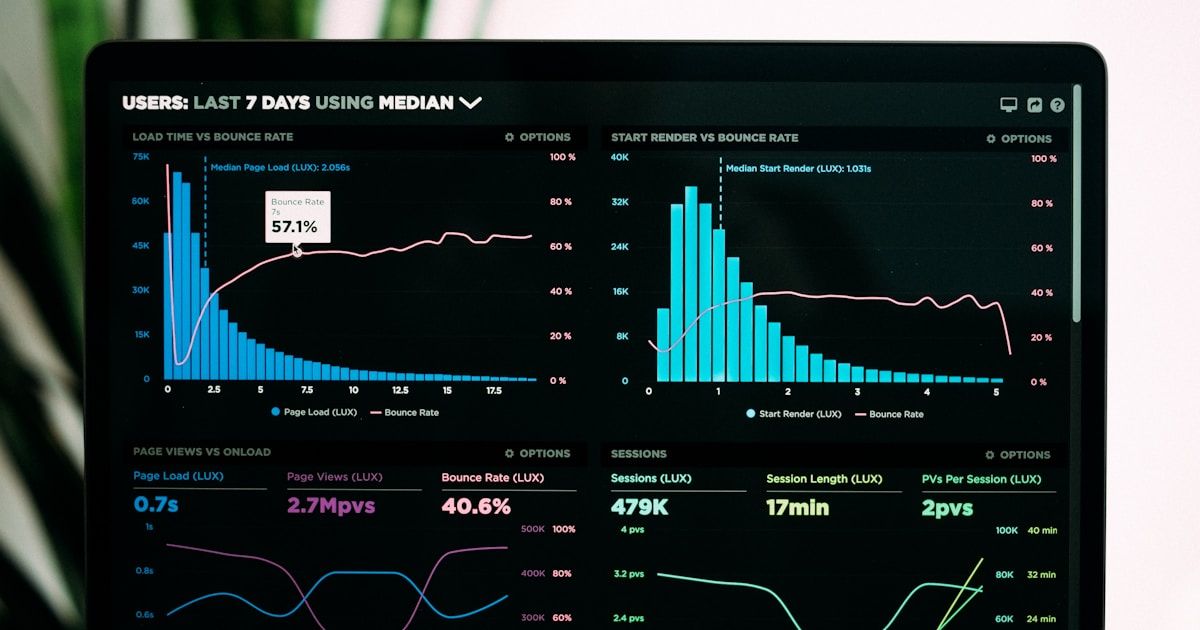
Weekly price data is one of the fastest ways to answer a simple question: is the market drifting up or down for a SKU you actually trade.
The mistake is treating every weekly tick as a command to buy or sell. Averages smooth out mix effects, timing effects, and one-off transactions. That smoothing is what makes the chart readable. It also means small moves can be statistically normal even when nothing fundamental changed in supply or demand.
Strong operators use weekly direction as a compass, not a gas pedal. The goal is to align purchasing tempo, mix, and risk tolerance with a realistic read of the market, not to chase every wiggle.
Signal: what usually deserves a decision
Treat the following patterns as worth a deliberate review, not an automatic trade:
- Direction persists across multiple weeks
One week can be noise. Two to three weeks of consistent drift usually reflects mix, availability, or competitive pricing shifting for real commercial reasons. - The move is large relative to your normal rework and claims buffer
If the implied margin change is bigger than the friction you already absorb for intake, testing, and after-sales, the price move is telling you something about the risk/reward of new volume. - The move aligns with what you see in stock and listing quality
When average prices soften while availability improves, you may be looking at supply-led pressure. When prices rise while availability tightens, you may be looking at scarcity. Cross-checking price with what you can actually buy keeps the story honest. - The move disagrees with your sell-through
If your warehouse says a model is moving slower but the market average looks strong, you may have a grade, version, or source mismatch versus the index. That mismatch is a sourcing signal, not a contradiction to ignore.
Noise: what often looks urgent but is not
Some patterns look dramatic on a chart but should rarely drive a panic decision:
- Single-week spikes or dips with no follow-through the next week
- Thin-sample effects where a model has limited quote volume and one trade shifts the average
- Mix shifts when the underlying pool of quotes changes grade or version composition week to week
- Operational timing around holidays, month-end inventory pushes, or one large lot clearing
In these cases, the best move is often to hold your buying rules steady, widen your confirmation checks slightly, and wait for confirmation rather than rewriting your entire model list.
How to connect weekly prices to buying discipline
Use a simple three-step loop each week:
- Pick the SKUs that matter to your business
Focus on models you actually rotate, not every device that appears in a long tail. - Compare price direction to your inventory aging and sell-through
If prices are softening and your stock is aging, tighten buys or improve mix. If prices are firming and you sell through cleanly, you have more room to defend replenishment. - Keep grade language consistent while you interpret the market
Customer-facing grade labels on Giggle Trade align with the public grade guide using A+, A, B, and C. Use that language consistently in commercial discussions, then keep your internal quality gates separate from the chart.
Bottom line
Weekly averages help teams see market direction early. The skill is knowing when a move is big enough and persistent enough to change behavior, and when it is normal volatility that should not override intake standards or inventory discipline.
If you want a practical next step, pair weekly price review with a short checklist: sell-through, available stock depth, version mix, and claims trend. When those line up with the chart, you have a signal. When they do not, slow down and verify before you scale volume.
About Giggle Trade
Giggle Trade is a B2B wholesale marketplace for used and premium smartphones. Buyers use catalog pricing, weekly market direction, and listing-level stock tools to build repeatable inventory programs with clearer risk visibility.