iPhone 13 as a Classic Workhorse: A Professional B2B Buyer Guide (2026)
Published: April 16, 2026
Executive view: why iPhone 13 still matters
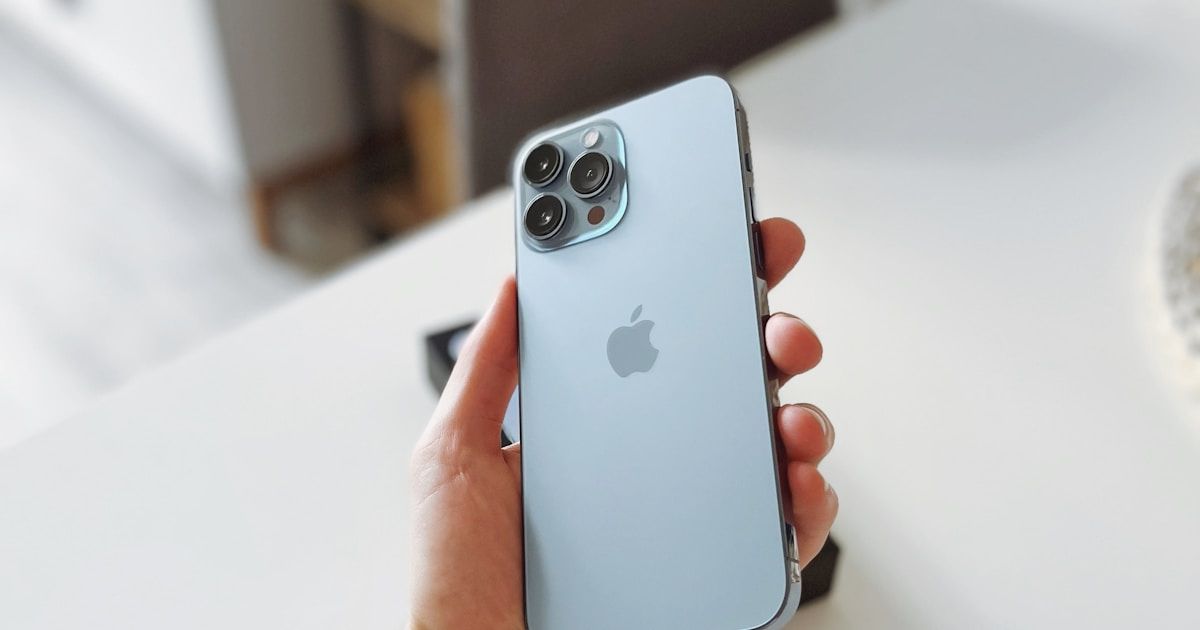
iPhone 13 is no longer the newest iPhone, but in many wholesale and redistribution markets it behaves like a classic benchmark model:
- Performance is still strong for mainstream users.
- Supply is deep enough to support repeatable procurement.
- Price bands are broad enough to run multi-grade strategies.
- End-user acceptance remains high in both retail and enterprise replacement channels.
For B2B desks, that combination is rare. Many models are either too new (thin supply, unstable pricing) or too old (demand decay, higher quality claims). iPhone 13 often sits in the operational middle where volume, turnover, and quality control can be managed with discipline.
1) Demand durability: where iPhone 13 is still commercially strong
Across many regions, iPhone 13 remains attractive to:
- Value-upgrade consumers moving from iPhone 11/12 generations
- SME and corporate fleets that need iOS longevity without flagship cost
- Cross-border online sellers targeting a proven, easy-to-explain SKU
The key point is not hype demand; it is predictable demand. Predictability is what allows buyers to build repeatable replenishment cycles and avoid overexposure.
2) Technical profile that supports “classic model” status
iPhone 13 still checks most practical boxes for 2026 commercial use:
- Capable chipset for mainstream apps and daily workloads
- Reliable camera performance for social and content use
- OLED display experience at mass-market price points
- Strong ecosystem support (cases, parts, repair workflows)
For B2B operators, this means fewer conversations around “is this device still usable?” and more focus on grade, battery, and source quality, which are controllable variables.
3) Margin mechanics: where profit is actually made
On iPhone 13, margin is usually not made by one lucky low buy. It is made by process quality:
- Grade-to-channel matching
A/A+ stock fits premium retail channels; B/C stock can still perform if matched to price-sensitive channels with clear condition disclosure. - Battery policy discipline
Clear minimum battery thresholds and honest disclosure reduce post-sale disputes and return friction. - Lower claims through intake consistency
Small differences in inspection rigor can create large differences in realized margin after returns, refunds, and support workload. - Turn speed over headline spread
Faster inventory conversion can outperform larger but slower gross spreads.
4) Procurement risks specific to iPhone 13 (and how to control them)
Even classic models carry risk. For iPhone 13, watch these four:
- Display authenticity risk
Non-original panels can trigger customer complaints and lower resale trust.
Control: maintain strict display verification in intake. - Battery integrity risk
Artificially boosted health readings distort true quality.
Control: enforce diagnostic checks and no-boost policy. - Version and lock mismatch
Region/version confusion or lock issues can kill sell-through speed.
Control: pre-trade checklists for version mapping and lock status. - Cosmetic grade drift
Inconsistent grading erodes channel confidence.
Control: keep one grading standard and apply it uniformly.
5) A practical buying framework for iPhone 13 desks
Use this weekly loop:
- Set target mix by channel
Define required share for A/A+/B/C by channel demand, not by whatever inventory happens to be cheapest. - Run price + depth check together
Evaluate weekly price direction alongside available stock depth. A low price with unstable depth is often a trap. If you need a live reference for current breadth and availability, review the iPhone 13 Series catalog view before finalizing weekly buy targets. - Apply hard quality gates
Keep pass/fail rules explicit for display originality, battery integrity, and IMEI/lock status. - Review realized outcomes
Track sell-through days, return ratio, and claim reasons by source batch. Reallocate volume based on outcomes, not assumptions.
6) Why iPhone 13 is still a “portfolio anchor” model
For many B2B operators, iPhone 13 works as a portfolio anchor because it balances:
- Demand certainty
- Supply availability
- Manageable quality variance
- Multi-grade monetization options
Anchor models are not always the newest. They are the models where a disciplined team can repeatedly execute with lower variance.
7) Where Giggle Trade helps buyers execute better
iPhone 13 outcomes depend heavily on operational consistency. Giggle Trade supports that through:
- Unified quality-control workflows before shipment
- Transparent grade communication aligned with public grade standards
- Stock and catalog workflows that help teams source to channel fit
- Practical support for repeatable replenishment cadence
The objective is simple: reduce avoidable quality surprises so buyers can spend more time on rotation and channel strategy.
Bottom line
iPhone 13 remains a classic model in 2026 not because it is new, but because it is commercially stable. For B2B desks, stability is valuable: it supports planning, controlled risk, and repeatable cash conversion.
If you treat iPhone 13 as a process-driven model (not a one-off opportunistic trade), it can remain one of the most dependable building blocks in a used/premium iPhone portfolio.