International Trade in Used and Refurbished Phones: 2026 Flows, Regulations, and Opportunities
Published: March 16, 2026
Executive Summary
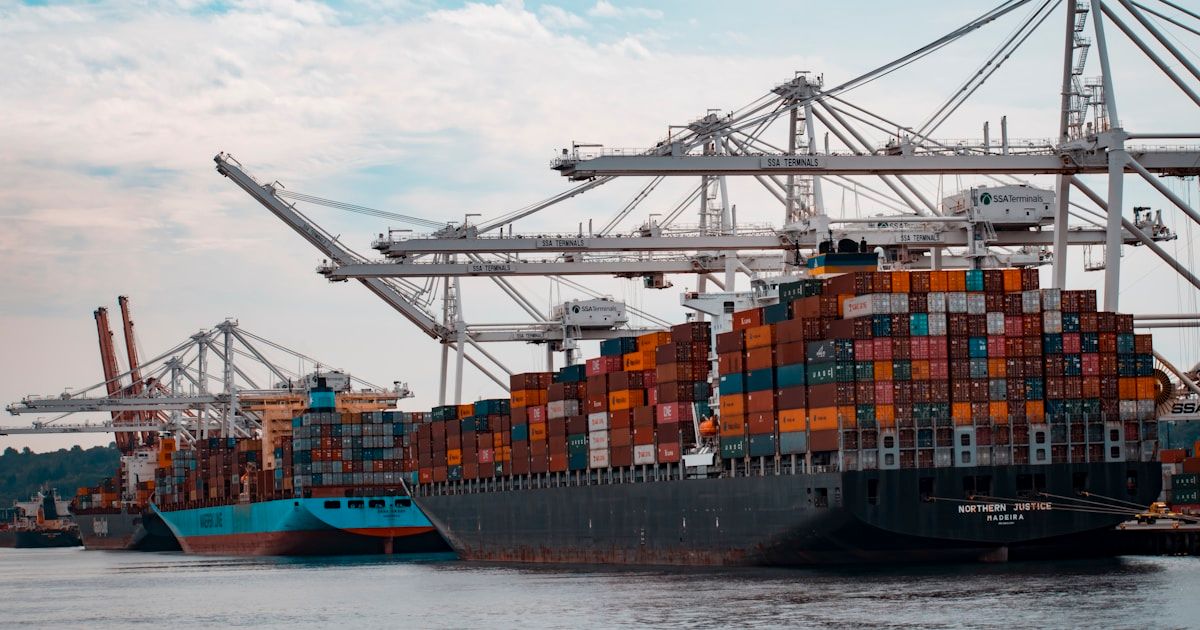
The cross-border trade in used and refurbished smartphones has become a major segment of the global electronics economy. In 2026, flows are shaped by regional demand for affordable devices, stricter environmental and e-waste rules, and clearer standards for “refurbished” versus “used” in key markets. For B2B players—wholesalers, refurbishers, and fleet buyers—understanding trade corridors, compliance requirements, and market dynamics is essential to sourcing and selling at scale.
This article outlines how international trade in used and refurbished phones works today: main routes and hubs, regulatory trends that affect cross-border movement, and practical steps for businesses that want to participate in this trade safely and efficiently.
1. Why International Trade in Used Phones Matters in 2026
Used and refurbished devices are no longer a niche. They support:
- Affordability and access in price-sensitive markets where new flagship devices are out of reach.
- Circular economy and sustainability goals as regulators and brands push for longer product life and reduced e-waste.
- B2B and fleet procurement where enterprises and resellers seek predictable quality and volume at lower total cost.
Trade in these devices is international by nature: collection and refurbishment often happen in one region (e.g. North America, Europe), while demand is strong in others (e.g. Africa, Southeast Asia, Latin America). That creates established trade corridors and hub markets where grading, testing, and compliance are concentrated.
Implication for businesses: Participating in this trade means dealing with multiple jurisdictions, customs codes, and conformity requirements. Getting the trade and compliance model right is a competitive advantage.
2. Main Trade Corridors and Hub Markets
In practice, a few patterns dominate:
- High-income to emerging markets. Used and refurbished devices flow from regions with high upgrade cycles (e.g. USA, Western Europe, Japan) to markets where demand for affordable smartphones is strong (e.g. parts of Africa, Middle East, South Asia, Latin America). Hong Kong, Dubai, and Singapore often act as transit or consolidation points.
- Regional refurbishment hubs. Countries with mature refurbishment and testing capacity (e.g. China, India, some EU states) import used devices for grading and refurbishment, then re-export to end markets. These hubs drive quality standards and documentation practices.
- Intra-regional trade. Within the EU, or within ASEAN, used and refurbished phones move under regional rules, reducing some border friction but still requiring conformity and, where applicable, warranty and liability clarity.
For B2B buyers and sellers, choosing the right corridor depends on volume, target market, and ability to meet destination-country rules (e.g. age limits, certification, labeling).
3. Regulatory Trends Affecting Cross-Border Trade in 2026
Regulation is tightening in several ways:
- Definition of “refurbished” vs “used”. More jurisdictions are distinguishing between devices that have been tested, repaired, and certified (refurbished) and those sold as-is (used). Refurbished often enjoys clearer customs and consumer-law treatment; “used” may face restrictions or different tariff lines.
- E-waste and extended producer responsibility (EPR). Export of used electronics is under scrutiny to prevent dumping of non-functional or hazardous waste. Proof of functionality, proper classification, and compliance with destination e-waste rules are increasingly required.
- Certification and conformity. Key destination markets require or expect conformity marks (e.g. CE, FCC, local equivalents) and sometimes battery or packaging standards. Sellers who document compliance and grade consistently are better positioned for smooth clearance and buyer trust.
- Duty and valuation. Customs valuation of used and refurbished goods can be contentious. Consistent documentation of condition, grade, and reference prices helps avoid delays and disputes.
Staying ahead of these trends is critical for anyone moving volume across borders.
4. What B2B Buyers and Sellers Should Do
Practical steps for participating in international trade in used and refurbished phones:
- Map the route and the rules. Identify which corridors and hubs fit your volume and margins, and which regulations apply at origin, transit, and destination (customs, product safety, e-waste, consumer protection).
- Lock in grading and documentation. Use a clear, consistent grading standard (e.g. A/B/C or equivalent) and ensure that testing results, IMEI status, and conformity documentation travel with the goods. This supports both customs and commercial trust.
- Choose partners with compliance in mind. Work with suppliers, logistics providers, and distributors who understand refurbished-device trade and can provide or verify the right paperwork.
- Plan for total landed cost. Factor in duties, taxes, logistics, and any certification or remediation costs at destination. The cheapest unit price at origin can be offset by delays or penalties at the border.
For buyers, platforms that offer transparent grading, IMEI-level visibility, and clear origin and compliance information reduce risk and make international sourcing more predictable. For sellers, investing in documentation and compliance pays off in faster clearance and stronger buyer relationships.
5. Where Giggle Trade Fits
Giggle Trade supports B2B participants in the used and refurbished phone market with:
- Catalog and stock visibility by grade and model, so buyers can source with clear expectations (Browse the catalog).
- Real-time stock and IMEI-level detail where available, supporting traceability and compliance (View market stock).
- Weekly price and market context to inform sourcing and selling decisions (Discover weekly prices).
Combined with sound compliance and documentation practices, these tools help businesses engage in international trade in used and refurbished phones with greater confidence in 2026 and beyond.
Conclusion
International trade in used and refurbished phones is a growing, regulated, and opportunity-rich segment. Success in 2026 depends on understanding trade flows, staying aligned with regulatory changes, and investing in grading, documentation, and partner selection. B2B players that get these elements right can access volume and margins while meeting sustainability and compliance expectations in key markets.